The Importance of Building Skills in Education
Developing skills is a crucial element of education because learners need more than raw subject knowledge to thrive. They also gain from practical capabilities such as effective communication, time management, critical thinking, teamwork, and problem-solving. These abilities boost students’ performance in academic settings and equip them for upcoming professional prospects.
In Italy, learners typically acquire skills through a mix of classroom instruction, independent study, projects, and hands-on experiences. This balanced approach supports academic success while helping students become more adaptable and confident in various situations.
Strengthening skill-building enhances a student’s capacity to apply knowledge in real-world contexts, making learning more practical, purposeful, and valuable over time.
RiVonZelTavex Education InsightCore Abilities That Promote Student Success
Some abilities are beneficial across nearly all subjects and learning environments. Communication helps students express ideas clearly, while organization makes it easier to manage assignments, deadlines, and study routines. Critical thinking supports analysis, evaluation, and better decision-making when engaging with new information.
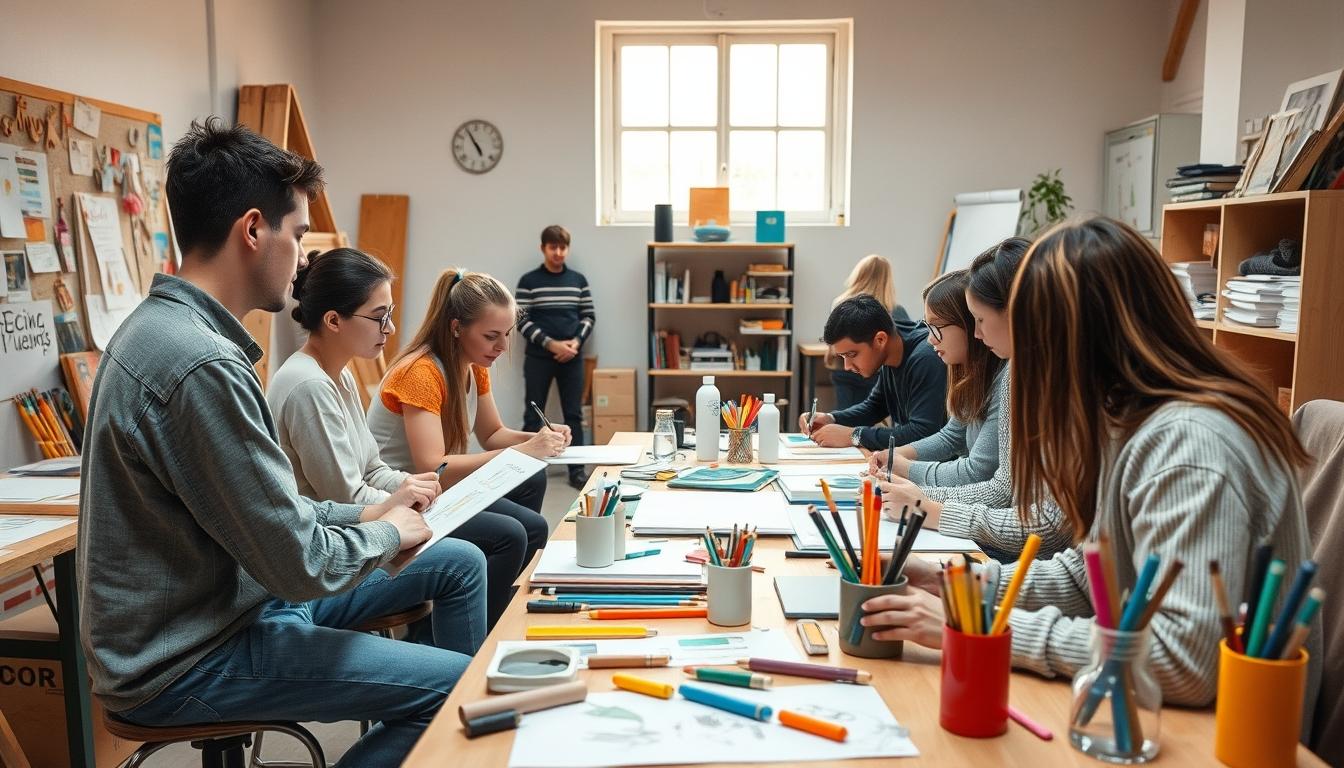
Collaboration is also increasingly essential in modern education. Group tasks, discussions, and shared projects teach students how to listen, contribute, and solve problems together. These experiences strengthen both academic growth and personal development.
How Students Develop Skills Over Time
Skill-building is typically a gradual journey. Students refine their abilities through repeated practice, reflection, and consistent application in different learning settings. Academic projects, presentations, independent tasks, and structured feedback all contribute to stronger capabilities over time.
When learners set clear goals and monitor their progress, they often become more aware of their strengths and the areas they wish to improve. This self-awareness supports motivation and helps students take greater ownership of their development.
Practical Ways to Strengthen Skills
Students can cultivate essential skills through simple daily habits and focused academic routines. Even small actions, performed consistently, can lead to meaningful long-term progress in both study and personal growth.
- Practice communication - Present ideas clearly in writing, discussion, and classroom participation.
- Improve time management - Use schedules, priorities, and realistic goals to stay organized.
- Develop critical thinking - Ask questions, compare sources, and reflect on different viewpoints.
- Work collaboratively - Learn from teamwork, shared tasks, and constructive feedback.
- Build consistency - Regular effort helps students turn useful actions into lasting habits.
From Academic Skills to Lifelong Growth
Skill-building does not end with a single course or stage of education. The abilities students cultivate during their studies continue to support them in future learning, work environments, and everyday decision-making. Strong skills help learners adapt, communicate effectively, and approach challenges with greater confidence.
For this reason, skill development remains one of the most valuable aspects of education. It links knowledge with action and helps students mature not only as learners but also as capable and prepared individuals.
Last updated: March 15, 2026